What Vodacom Business Brings to a South African Security Stack
Vodacom is the biggest connectivity provider in South Africa. Most businesses know them for fibre, LTE, and mobile. What fewer businesses know is that Vodacom Business runs a managed security operation centre, MDR services, email security, perimeter protection, and disaster recovery as a service. We integrate those services into the security stacks we build for clients.
Why a telco-adjacent security layer matters
South African businesses have a specific problem that overseas security vendors do not always understand. Local data sovereignty matters. Some industries require data to stay in-country. Some customers require local support. Some compliance frameworks expect local incident response capability. A SOC in another hemisphere is technically capable, but when you need someone on a call at 2am South African time during an active incident, the time zone gap is not theoretical.
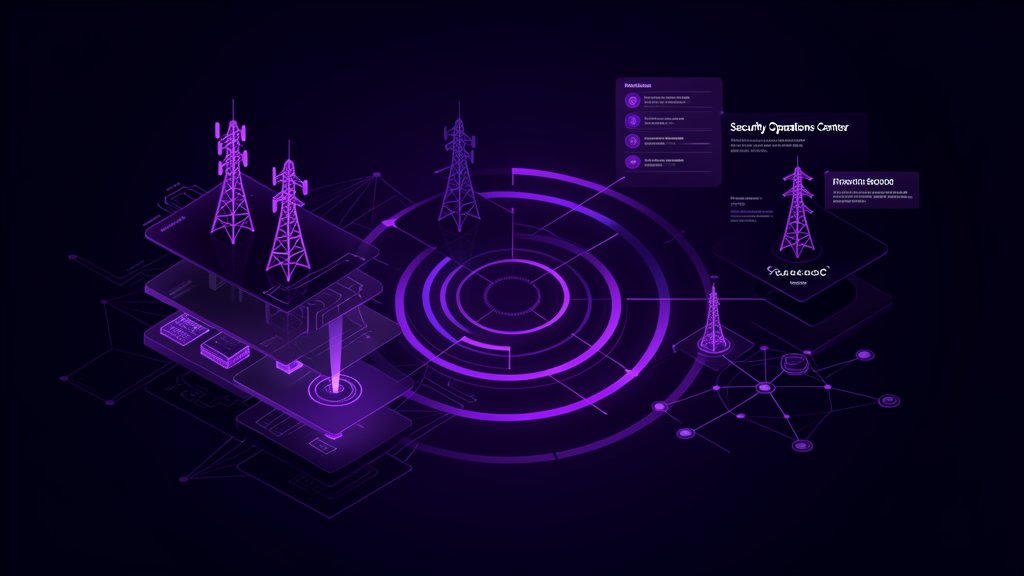
Vodacom Business runs its SOC in South Africa. That means local analysts, local context, and local escalation paths. For businesses that need 24/7 monitoring but cannot justify building their own SOC, this is the layer that fills the gap.
What we use from Vodacom Business
The services we draw on depend on the client. Managed SOC and MDR for businesses that need 24/7 monitoring without staffing it themselves. Email security for organisations that need more than what Microsoft Defender for Office 365 provides out of the box. Perimeter protection including WAF and DDoS mitigation for internet-facing applications. DRaaS for businesses that want failover without owning a secondary data centre.
Not every client needs all of these. The point is that they are available as components in a stack we design, not a package we sell to everyone.
How it fits with what we do
We are the architect. Vodacom Business is one of the building blocks. Our role is to assess what a client needs, design the stack, and integrate the right components. That might include Vodacom for managed SOC, our preemptive platform for threat detection, Acronis for backup and recovery, and ManageEngine for IT management. Or it might be simpler. The client’s requirements drive the design, not our preference for a particular vendor.
The advantage of working with us rather than going direct to Vodacom is that you get someone who designs the whole stack, not just the Vodacom piece. We are accountable for the integration, the gaps, and the overall result. When something goes wrong, you have one number to call, not three.
The honest view
Vodacom Business is not the right answer for every client. For some businesses, a different SOC provider or a different approach to monitoring makes more sense. We use Vodacom where their capability, location, and pricing fit the client’s needs. Where they do not, we use something else. The principle is simple: the client’s requirements come first, and we pick the tools that meet them.
If you want to talk about what your security stack should look like, contact us. We will tell you what we think, not what we want to sell.
Why we use Vodacom Business
We use Vodacom Business security services because they are good at what they do. Their managed SOC runs locally, staffed by analysts who understand the South African threat landscape and the common attack patterns targeting local businesses. When they flag an alert at 2am, it is someone in South Africa who understands the context, not a tier-one analyst reading a script in another hemisphere.
For most of our clients, Vodacom is the right choice. They bring enterprise-grade monitoring, MDR, email security, and DRaaS at a price point that makes sense for South African businesses. We have seen their SOC catch threats that would have gone unnoticed for weeks. The local knowledge, the local support, and the local incident response matter when you are in the middle of a crisis.
On some occasions, a client’s needs point to a different solution. A very small business might not need a full managed SOC. A client with a niche requirement might benefit from a specialist provider. In those cases, we say so and recommend the alternative. But Vodacom is our default for managed security, and for good reason.
Integration is where the value is
Buying a managed SOC from Vodacom is the easy part. Making it work with your existing security stack is where the real value is. Logs need to flow from your endpoints to the SOC. Alerting rules need tuning to reduce false positives. Escalation procedures need to be defined and tested. Incident response playbooks need to align with what the SOC does and what your team does.
That integration work is what we do. We do not just procure the service. We connect it, configure it, tune it, and maintain it. When the SOC alerts at 2am, the escalation path leads to us, and we handle it or wake the right person in your team. The service is from Vodacom. The accountability is from us.
A practical example
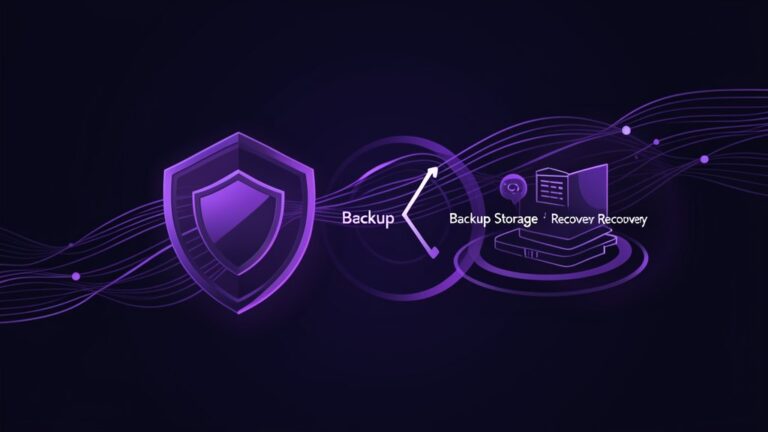
A typical setup for a mid-sized SA business: Vodacom managed SOC provides 24/7 monitoring and first-response alerting. Our preemptive platform adds deception-based threat detection that catches what traditional monitoring misses. Acronis handles backup and recovery so a ransomware incident does not become a data loss event. ManageEngine gives the internal IT team visibility and control over endpoints and patching.
Each component does what it is best at. We design how they fit together, manage the integration, and own the outcome. The client gets one point of contact, one accountable partner, and a security stack that would cost far more to build in-house.